Resin driveway repairs and resurfacing in Middlesbrough
Cracks, yellowing, bald patches and loose stone on an existing resin surface can often be repaired or overlaid rather than ripped out. Localised patches start around £150; a full overlay resurface runs £55 to £95/m². The deciding question is always whether the base underneath is still sound, and that is what the survey answers.
What actually goes wrong with resin
Almost every resin failure we see around Middlesbrough comes back to one of five causes, and the right fix depends entirely on which one is yours:
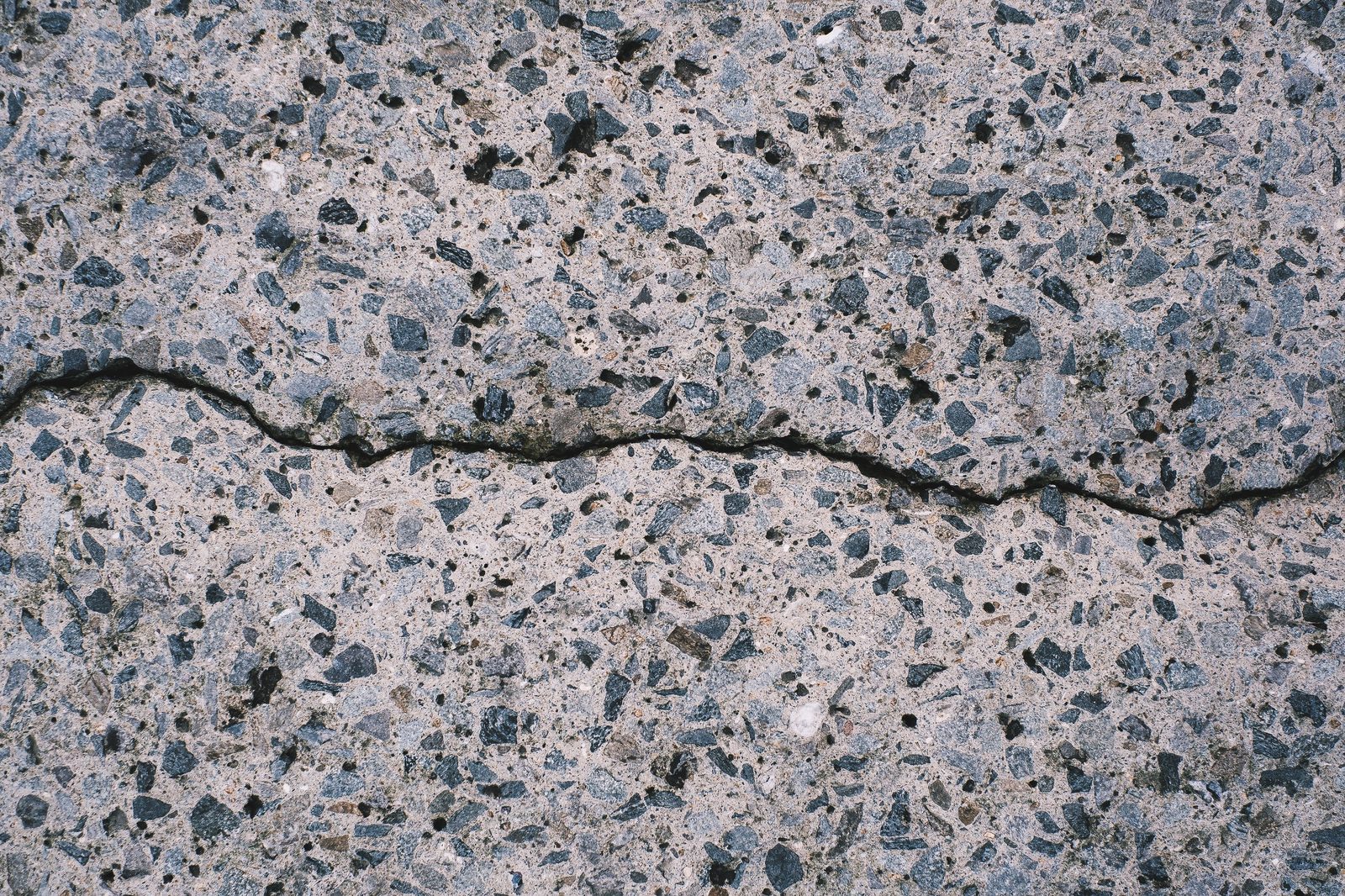
- Reflective cracking: cracks in the surface that mirror cracks in the base beneath, the classic result of overlaying tired concrete or tarmac. The base is moving, so the surface crack is only the symptom.
- Yellowing patches: the calling card of non-UV-stable resin, usually worst in the spots the car never covers. The binder itself is breaking down, not merely discolouring.
- Fretting and bald spots: stone letting go of the binder, typically where wheels scrub on the spot at turning points, or where the original mix was starved of resin.
- Dips and ponding: the sub-base consolidating, usually where the dig-out was shallow or a membrane was skipped over the clay. Water settles in the hollow and frost finishes the job.
- Crumbling edges: the trowelled perimeter breaking up where it was finished against lawn or soil rather than a solid restraint.
Patch, overlay or dig out?
There is an honest hierarchy. A localised patch (£150 to £400) handles isolated fretting, small impact damage and single cracks where the base is stable: the area is ground out, re-primed and re-trowelled in a matched blend. A fresh patch never disappears completely at close range against a weathered surface, but good blending sees it fade into the whole over a season or so.
A full overlay resurface (£55 to £95/m²) is the answer when the surface is tired across the board, yellowed, widely fretted, patched already, but the base below remains sound. The old surface gets cleaned, primed and given a fresh 15mm wearing course: effectively a new drive for about two-thirds of replacement money.
A dig-out and rebuild becomes the only honest route once the base itself is failing: widespread reflective cracking, sinking, ponding or collapsing edges. Resurfacing over movement is buried money; within a couple of Middlesbrough winters the new surface repeats every fault underneath it. When you ask for a patch and the survey recommends a rebuild, that recommendation is protecting your wallet, not emptying it.
Repairing bonded surfaces
Resin bonded scatter coats take local re-bonding well: the area is cleaned, a fresh resin film goes down and matching aggregate is broadcast over it. Because the bonded layer sits on top of the base, delaminated patches are cut back to a firm edge before re-coating. If stone is shedding across the whole area, the original film usually went down onto a damp or dusty base; the durable answer then is proper preparation followed by a full re-coat.
Prevention costs less
Most of the repairs above were avoidable at the original specification: UV-stable resin, a solid edge restraint and no dry-steering habits. The lifespan and maintenance guide has the routine that keeps surfaces out of the repair column altogether, and resin bound driveways shows what a correct build looks like from the start.